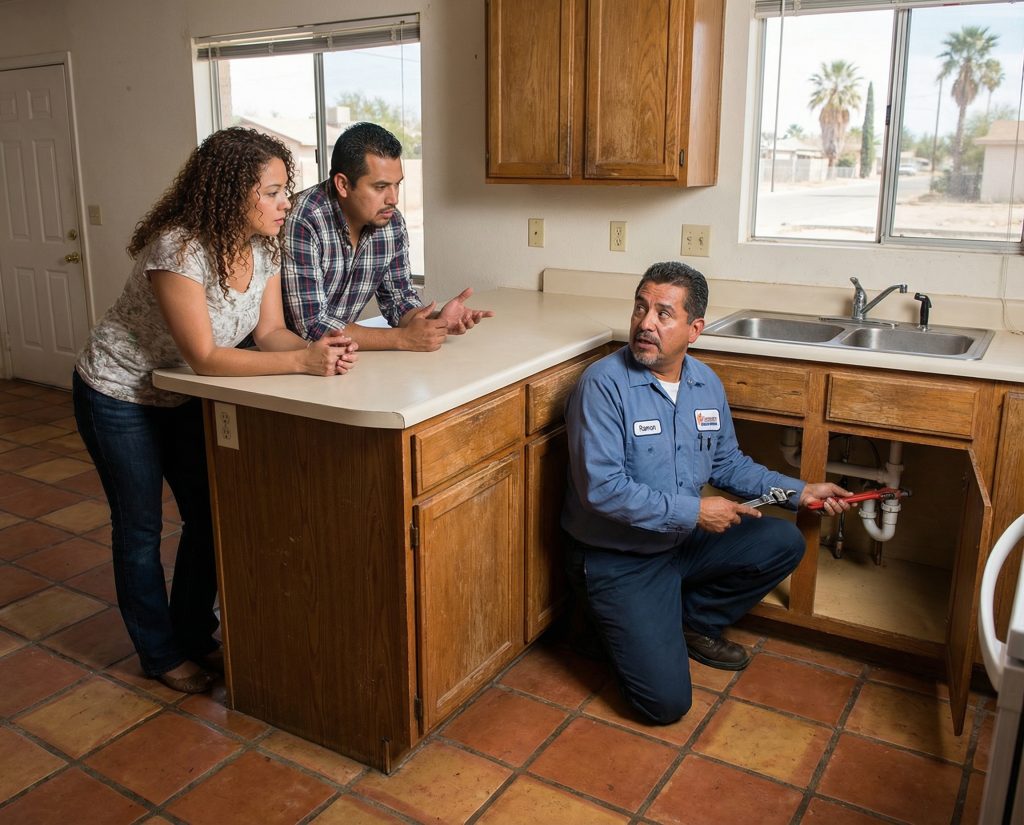
If you have ever had a pipe burst at 10 p.m. on a Friday night, you know how tempting it is to call the first plumber RGV Google throws at you and say “just fix it.” I get it. But that panic is exactly how homeowners end up overpaying, getting shoddy work, or worse, hiring someone who is not even licensed. I have been in the trades in the Rio Grande Valley for over 15 years, and I have seen every version of this story play out from Brownsville to McAllen. The good news? You can protect yourself with 10 simple questions. Ask these before anyone touches a wrench in your house, and you will be in better shape than 90% of homeowners down here.
1. Are You Licensed by the Texas State Board of Plumbing Examiners?
This is the most important question on the list, and it is the one most people skip. In Texas, plumbing is regulated at the state level by the Texas State Board of Plumbing Examiners (TSBPE). That means every plumber working on your home should hold one of four license types: Tradesman Plumber Limited, Journeyman, Master, or Plumbing Inspector. The person running the job should be a Responsible Master Plumber, which means they carry at least $300,000 in commercial liability insurance and are authorized to pull permits and supervise other plumbers.
Here is the deal. You can verify any plumber’s license yourself for free using the TSBPE’s Public License Search at vo.licensing.hpc.texas.gov. It takes about 30 seconds. If the person standing in your driveway cannot give you a license number, that is a red flag the size of Texas. Walk away.
2. Can I See Proof of Insurance?
A licensed plumber RGV should carry both general liability insurance and workers’ compensation coverage. Why does this matter? If an uninsured plumber floods your kitchen or gets hurt on your property, guess who is on the hook? You are. General liability covers damage to your home. Workers’ comp covers injuries to the plumber or their crew while they are on your job site.
Do not just take their word for it. Ask to see a current Certificate of Insurance. If they hesitate or say they will “get it to you later,” that tells you everything you need to know.
3. How Do You Charge, and Can I Get a Written Estimate?
Plumbers in Texas typically charge between $45 and $200 per hour depending on the complexity of the job, their experience level, and where you are located. Down here in the Valley, rates tend to be on the lower to mid range compared to Dallas or Austin, but you should still know exactly what you are paying for before anyone starts turning valves.
Most plumbers charge a service call fee, sometimes called a trip charge, that runs anywhere from $50 to $200. Some roll that into the total cost of the job, and some do not. Always ask. For bigger projects, many plumbers offer flat rate pricing, which means you get one price for the whole job regardless of how long it takes. That can work in your favor or against you depending on the scope of work, so get everything in writing. A written estimate should include the scope of the work, materials, labor costs, the timeline, and the Responsible Master Plumber’s license number. If they will not put it on paper, do not hire them.
4. Will You Pull the Necessary Permits?
This one catches people off guard, but it matters more than most homeowners realize. In Texas, most plumbing work beyond basic repairs requires a permit. That includes repiping, moving water or drain lines, installing new fixtures in locations where none existed, water heater replacements in many municipalities, and sewer line work.
Why does this matter for you? Unpermitted work can come back to bite you when you try to sell your home, file an insurance claim, or refinance. A licensed plumber should handle the permit process for you. If they suggest skipping the permit to “save you money,” that is a major warning sign. The permit exists to make sure the work gets inspected and meets code. Down here in the Valley, code requirements can vary from city to city, so you want someone who knows the local rules in your specific municipality.
5. What Experience Do You Have With My Specific Problem?
Not all plumbing jobs are the same, and not all plumbers specialize in the same work. A plumber who is great at new construction rough ins might not be the best choice for diagnosing a slab leak. In the Rio Grande Valley, slab leaks are one of the most common and most expensive plumbing issues homeowners deal with because our homes sit on expansive clay soil that shifts with moisture changes. That constant swelling and shrinking puts stress on the pipes running under and through your slab.
Ask your plumber RGV how many jobs like yours they have handled. Ask if they have experience working with the specific type of piping in your home, whether that is copper, PEX, CPVC, or galvanized steel. Older Valley homes, especially those built before the 1980s, often have galvanized pipes that corrode from the inside out. A plumber who has seen this a hundred times will diagnose it faster and give you better options than someone who has not.
6. What Is Your Warranty or Guarantee on the Work?
A confident plumber stands behind their work. Period. Ask what kind of warranty they offer on both labor and materials. A typical labor warranty for plumbing work runs anywhere from 30 days on a small repair to one year or more on larger projects like repiping or water heater installations. Material warranties depend on the manufacturer and can range from one year to a lifetime depending on the product.
Get the warranty terms in writing. Know exactly what is covered, what is not, and what you need to do if something goes wrong. If a plumber tells you “we don’t do warranties,” save yourself the headache and call someone else.
7. How Long Will the Job Take, and What Should I Expect?
This is a practical question that a lot of homeowners forget to ask. Knowing the timeline helps you plan around water shutoffs, schedule your day, and set realistic expectations. A simple faucet repair or toilet replacement might take an hour or two. A full repipe on a 2,000 square foot home can take several days and may require cutting into walls or floors.
Ask about the process. Will they need to shut off water to the whole house? Will there be any demolition involved? Will they need to come back for a second visit? Will an inspector need to sign off before they can close up the walls? In the Valley, the heat alone can make certain jobs take longer, especially anything involving outdoor work or crawling under a house in the summer. A good plumber will walk you through what to expect so there are no surprises.
8. Do You Provide a Detailed Invoice With Itemized Costs?
This is where a lot of homeowners get burned. You agree on a price, the work gets done, and then you get a bill with a single line item that says “plumbing repair” and a number that is higher than what you discussed. That is not how it should work.
A professional plumber should provide an itemized invoice that breaks down labor, materials, permits, and any additional fees. According to the TSBPE, the written estimate and invoice should contain the Responsible Master Plumber’s license number along with the name, address, and telephone number of the Texas State Board of Plumbing Examiners. That requirement exists so you have a path to file a complaint if something goes sideways. If your invoice does not include those details, ask for them.
9. Can You Provide References From Other Valley Homeowners?
Online reviews are helpful, but nothing beats talking to someone who has actually had the plumber in their home. Ask for two or three references from recent jobs in the Rio Grande Valley. Then actually call them. Ask if the work was done on time, on budget, and if the plumber cleaned up after the job. Ask if anything went wrong and how the plumber handled it.
A plumber RGV who has been doing quality work for years will have no problem giving you names. If they cannot come up with a single reference, that should make you pause. You can also check for complaints through the TSBPE’s Enforcement Department by calling (512) 936 5200 or by emailing [email protected]. Down here in the Valley, word of mouth still carries a lot of weight. If your neighbor in Weslaco or your cousin in Pharr had a great experience, that is worth more than a hundred five star reviews from strangers on the internet.
10. What Can I Do to Prevent This Problem From Happening Again?
This is my favorite question because it separates the pros from the guys who just want to collect a check and leave. A good plumber will take the time to explain what caused the issue and what you can do to avoid it in the future. Maybe your water pressure is set too high and it is wearing out your fixtures. Maybe tree roots are creeping into your sewer line and you need to schedule a camera inspection every couple of years. Maybe you need to insulate your exposed pipes before the next rare Valley freeze rolls through.
In the Rio Grande Valley, our humidity, heat, and soil conditions create plumbing challenges you will not find in other parts of Texas. A plumber who understands those local factors will give you prevention advice that actually applies to your home, not generic tips pulled from a website written for homeowners in Ohio.
So What Is the Real Key to Hiring a Plumber in the RGV Without Getting Burned?
Knowing the right questions to ask so you do not get overcharged or stuck with bad plumbing work in the Valley really comes down to one thing: preparation. You do not need to become a plumbing expert. You just need to walk into the conversation informed. Verify the license through the TSBPE’s free Public License Search before you even schedule the appointment. Get a written estimate with itemized costs. Ask for proof of insurance. Confirm they will pull permits. Check references. These 10 questions take maybe 15 minutes of your time, but they can save you thousands of dollars and a massive headache. The plumber RGV homeowners deserve is one who welcomes these questions, not one who dodges them. If you do your homework upfront, you are already ahead of most people down here, and your plumbing will be in the right hands.
